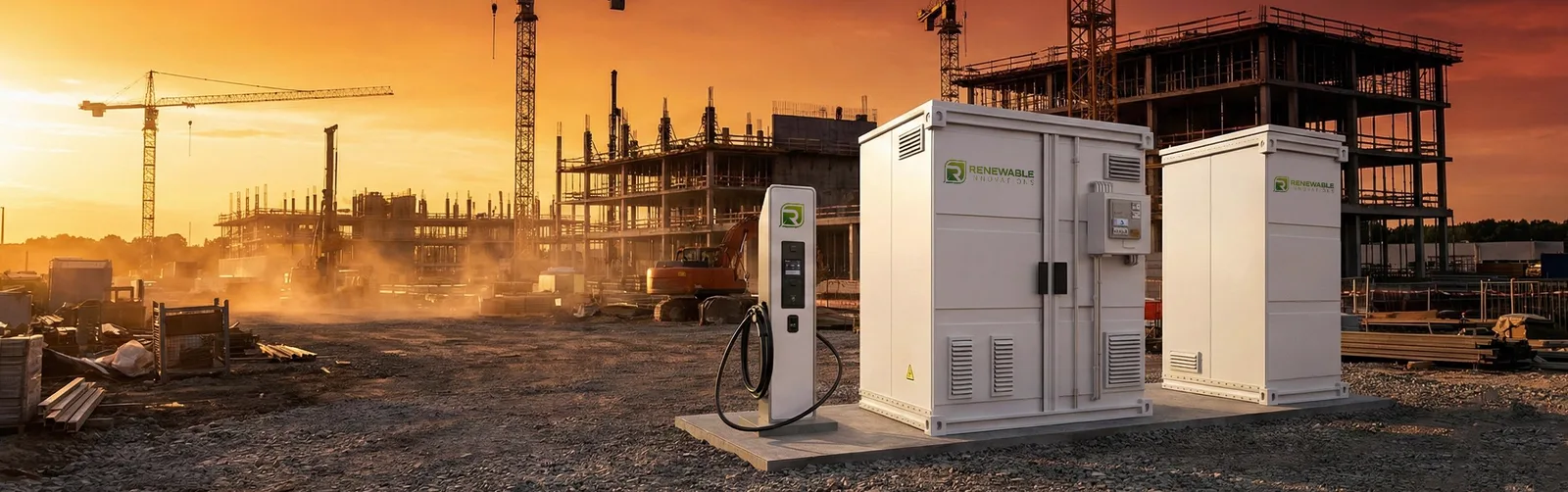
H2 Station
2 – 10 kg H₂ per dayMade on site from water and power, across three models
A complete hydrogen generation, storage and dispensing system in one packaged station. Feed it tap water and grid or renewable power; it delivers 99.999% pure hydrogen at up to 700 bar.
Stop relying on external suppliers. Generate, store and dispense your own fuel.
The H2 Station packages an electrolyzer, compressor, storage and dispenser into one system.
It accepts tap water or rainwater through built-in filtering and conditioning, runs on grid power or solar and wind, and turns both into vehicle-grade hydrogen on site. No delivery trucks, no supply contracts: your fuel, made where you use it.
H₂ per day, three models
Hydrogen purity
Per pack at 200 bar
Dispensing output
Make. Manage. Dispense.
Set a daily output inside the published range and watch water and power become banked, dispensable hydrogen.
The hydrogen maker
The electrolyzer splits filtered water into hydrogen, then compresses and banks it.
Intelligent storage
Modular hydrogen packs, 11 kg each at 200 bar. The Smart Monitor shows hydrogen levels and cylinder temperature in any web browser.
The dispenser
Bidirectional. Recompresses from storage at a higher rate, from forklift and drone cylinders to 700 bar passenger cars.
To fill one 11 kg pack
Filled in 30 days
Made in a year on site
Arithmetic on the published figures at a steady daily rate; actual output depends on model and site conditions. Scalable architectures beyond 10 kg per day are in development.
One machine that generates, compresses and stores.
The hydrogen maker
The onboard electrolyzer splits filtered water into 99.999% pure hydrogen, then compresses and banks it. Built-in filtering and conditioning mean it feeds on ordinary tap water or captured rainwater.
Intelligent storage
Modular hydrogen packs bank the output while the Smart Monitor tracks hydrogen levels and cylinder temperature, visible remotely from any web browser, so you always know how much fuel is on hand without visiting the station.
The dispenser
A bidirectional dispenser recompresses hydrogen from storage at a higher rate, delivering vehicle-ready fills across the full pressure range, from forklift and drone cylinders to 700 bar passenger cars.
Full specifications
Three models. Scalable architectures beyond 10 kg per day are in development. Talk to us about roadmap sizing for larger fleets and facilities.
| Models | Three, producing 2–10 kg of hydrogen per day |
|---|---|
| Hydrogen purity | 99.999% |
| Feedwater | Tap water or rainwater, via built-in filtering and conditioning |
| Power input | Grid power, or solar and wind |
| Standard hydrogen pack | 11 kg at 200 bar |
|---|---|
| Architecture | Modular packs; combined electrolyzer, compressor, storage and dispenser in one station |
| Output pressure | 200–700 bar |
|---|---|
| Dispenser type | Bidirectional; recompresses from storage at a higher rate |
| Smart Monitor | Remote tracking from any web browser |
|---|---|
| Tracked parameters | Hydrogen levels and cylinder temperature |
Fuel independence, four ways.
Stationary vehicle fueling
A fixed fueling point for hydrogen-powered cars, trucks, buses, forklifts and drones, producing every day, so the fleet draws from a reserve you replenish on site instead of a delivery schedule.
Fully renewable systems
Integrate the station with solar panels or wind turbines for a fully renewable, self-sufficient energy system: sunlight and water in, vehicle-grade fuel out, with no grid connection required.
Temporary refueling operations
Events, construction zones and disaster relief operations get hydrogen tank refueling on location for exactly as long as the work lasts. Then the station moves to the next site.
Communities that make their own backup
Housing developments and facilities generate and store their own hydrogen for primary or backup power, building a fuel reserve on site instead of depending on outside supply when the grid goes down.
Own your fuel supply.
Tell us your daily hydrogen demand and what feeds your site: grid, solar or wind. We'll size the station, the storage packs and the dispensing to match.